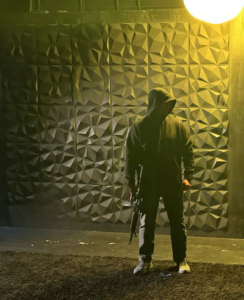
Close the gap between threat detection and response
Written by Chris Grollnek, Chairman, Active Shooter Prevention Project
Three times since 2012, a school’s front door was locked and it did not matter.
2012, Connecticut: the front doors were locked, the buzzer worked, the camera worked, and the killer shot through the glass next to the doors and walked in.
2023, Tennessee: the killer shot through the glass doors.
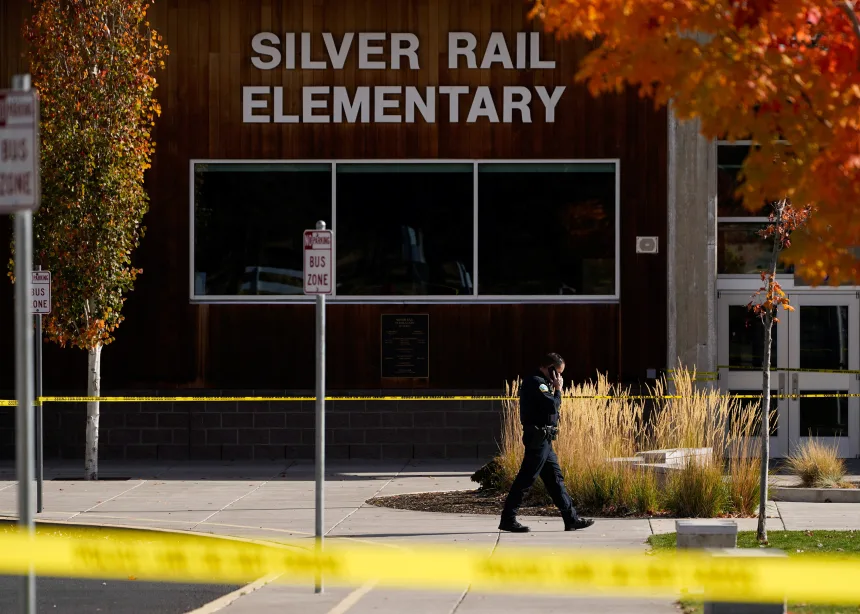
2026, Oregon: the doors were locked; the killer fired into the glass panes of a set of double doors, then went into the first classroom on the left.
The fix already exists
There has been a test standard for exactly this since 2022. ASTM F3561 takes the whole opening, the glass, the frame and the hardware together. First it fires rounds into it. Then it attacks it the way a killer would, with a clock running, and it rates what holds, from Level 1 to Level 8.
Two states have already written the fix into law. Texas requires that the glass in and beside exterior school doors be modified so it cannot be easily broken, and it names forced-entry-resistant film as one way to get there. Tennessee requires its districts to install clear, entry-resistant film, and when that law was amended in 2024 the lawmakers struck the words “bullet-resistant” on purpose. The point was never to stop a bullet; the point is to stop a person from walking through the hole. The national building code still requires none of it.
Who builds for it
FutureVu Brands of Marietta, Georgia has been part of the ASPP™ Community of Experts for more than a year. Their divisions answer the question those three schools were asked, and they answer it four ways. We describe them plainly, because the people who need this are facilities directors and school boards, not glazing engineers.
1 Security film with an attachment system
Installed by Window Film Depot, a 3M authorized dealer. The film holds the broken glass together and the attachment ties it to the frame, so the sheet does not simply fall out of the opening.
2 RiotLite
A film system their engineers built to the ASTM F3561 test; the manufacturer cites Level 3ET. For entry doors and sidelights.
A clear polycarbonate shield in an aluminum frame, mounted over the glass you already own; the manufacturer rates DefenseLite Pro at Level 8 of the same standard. For entries and ground-floor glass.
Tested to UL 752, Levels 1 to 8, for the places where the threat assessment says the glass itself has to stop rounds.
Ratings are the manufacturer’s statements. Ask for the test report for the exact assembly you are buying.
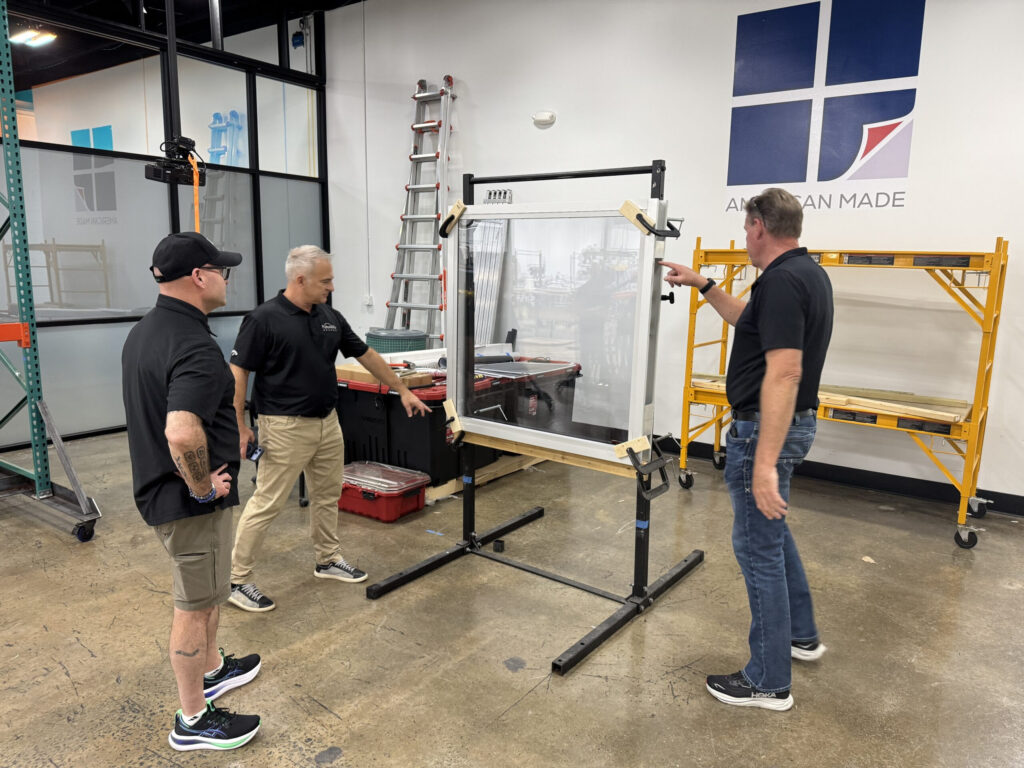
FutureVu Brands, Marietta, Georgia, September 2026. A panel of their glass in a test frame, and the words “American Made” on the wall behind it.
Where glass fits in the P.R.O. Model™
This is the facilities part of the P.R.O. Model™, Prevention, Response and Options, selected by the Department of Justice as “A” national standard for the Assistant United States Attorneys and across the department, in 2022 and again for 2026 to 2030. We spend most of our time on the people side of prevention: the behavior somebody noticed and nobody reported, the plan with no owner, the drill that never happened. The building has a part too. Every layer of a plan buys time for the next one, and glass is the layer most buildings forget. A door that holds for the length of a lockdown is the difference between a response and a recovery.
ASPP™ does not sell glass. We assess the building, name the missing layer, and refer you to the Community of Experts partner who builds for it.
Where drones fit in the P.R.O. Model™
All facilities already have cameras, and more are adding guarding robots. What about areas cameras can’t see and grounded robots can’t reach? Under stairwells. Near rafters. Dark corners. Defense and security is a layered approach. Multiple systems are needed, which is also why beyond glass, cameras, AI detection, lockdown drills, we also recommend Indoor Drone as First Responder (iDFR™). Get eyes on the scene quickly and send live video feed to first responders. Track threats.
Protect and Inspect your schools, corporate campuses, facilities, warehouses, data centers with flying robots designed and built specifically for indoor flight.
Our ask
Walk to your facility’s front door. Look at the glass beside the locked door, not the lock, and ask one question: if someone fired into this, would it hold long enough for the people inside to do what we trained them to do? If you do not know the answer, find out. The standard exists, the state grant programs exist, and the fix installs over the glass you already have.
This is not a political issue; it is a glass issue. Evil does not discriminate, and neither do we.